

Behind the Switch: How Rising Demand Is Reshaping Local Power Grids
When you flip a light switch, you probably don't think about where that power comes from or who else is drawing from the same supply. Yet every home, business, and large facility in your area shares the same local grid, and the demands on that grid are growing faster than they have in decades. New construction, electric vehicles, heat pumps, and large commercial and industrial operations that run around the clock are all drawing from the same supply.
As demand climbs, utilities are working hard to keep up. For homeowners, that shift raises practical questions about reliability, outages, and whether your home's electrical system is ready for what's ahead. The good news is that a dependable local electrician can help you prepare. Here's what's happening behind the switch and what it means for your household.
Understanding the Growing Demand on the Grid
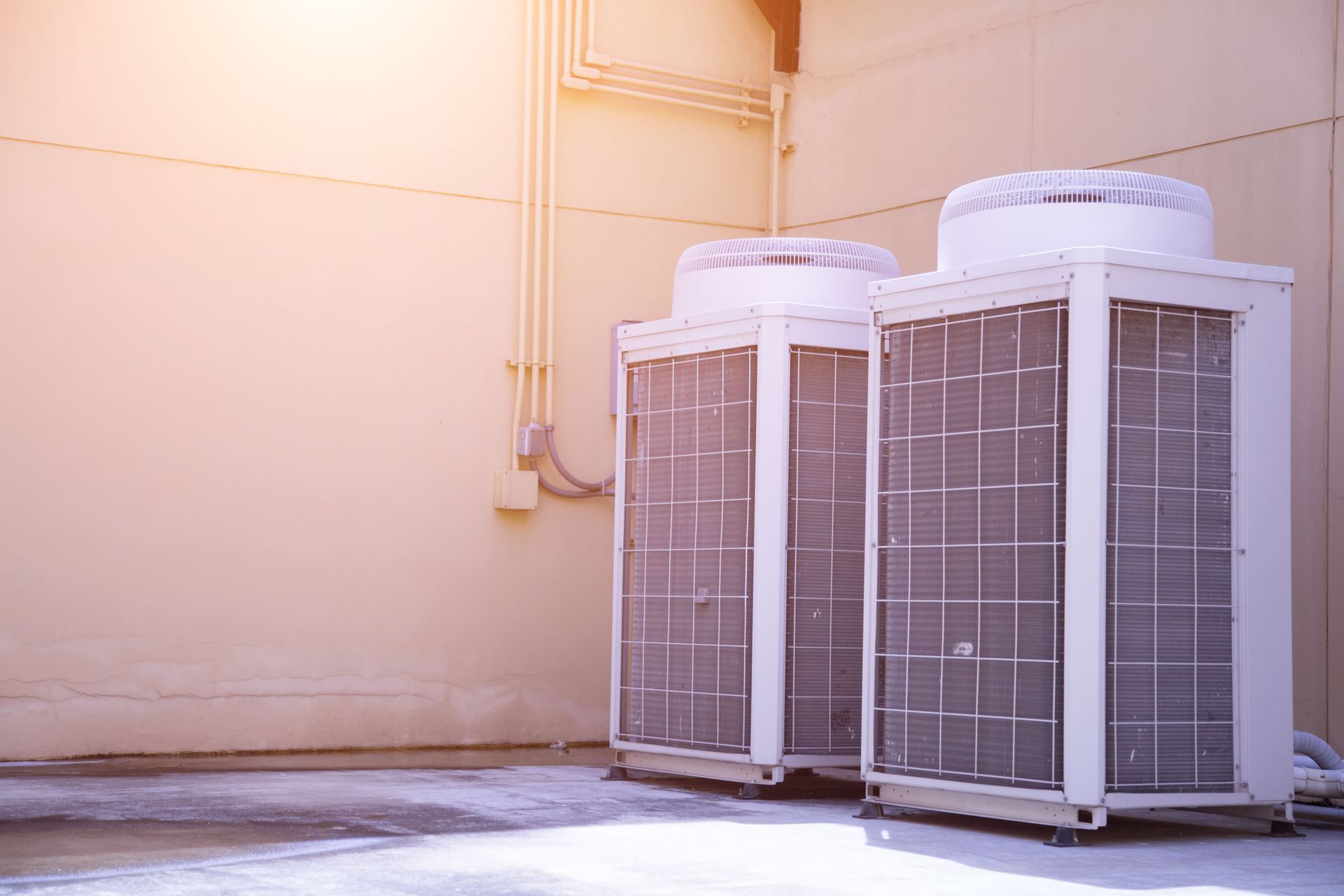
For decades, electricity demand across much of the country grew slowly and predictably. Utilities could plan new power plants and transmission lines years in advance. Today, that picture is changing quickly. Growing communities, new commercial and industrial developments, and large facilities that operate day and night are placing a steady, heavy load on the grid at all hours.
Homes are part of the shift, too. Electric vehicles, heat pumps, and the general electrification of everyday appliances are adding to the load in neighborhoods everywhere. According to America's Electric Cooperatives, peak electricity demand is expected to climb by 17% over the next decade, putting significant new pressure on power grids nationwide. Peak demand matters because the grid has to be built to handle the busiest moments, such as a heat wave or a cold snap when everyone needs power at once.
When demand rises faster than new generation and infrastructure can be built, the system has less breathing room. That doesn't mean the lights are about to go out, but it does mean homeowners should think more carefully about how their own electrical systems will handle a more strained grid.
Recognizing What Grid Strain Means for Your Home
A grid under pressure can affect your household in several ways. During periods of extreme demand, utilities may face a higher risk of outages, especially when severe weather damages equipment at the same time. You may also notice voltage fluctuations, flickering lights, or brief interruptions that can be hard on sensitive electronics and appliances.
Rising demand can also influence what you pay. As utilities invest in new generation and transmission to serve growing loads, some of those costs can eventually show up on residential bills. That makes it more important than ever to have an electrical system that runs safely and efficiently.
Finally, many homes simply weren't designed for today's electrical needs. Houses built decades ago often have smaller panels, outdated breakers, and wiring that was never meant to support EV chargers, central air, home offices, and a garage full of power tools all at once. A local electrician can evaluate your home and help you understand where it stands.
Preparing for Outages With a Backup Generator
One of the most practical ways to prepare for a strained grid is to install a backup generator. When the power goes out, a standby generator can keep your refrigerator, heating system, sump pump, medical equipment, and lights running until utility service is restored. For families who work from home or have loved ones who rely on powered medical devices, that peace of mind is invaluable.
Generator installation isn't a do-it-yourself project. The unit has to be sized correctly for the loads you want to support, connected through a proper transfer switch, and installed in line with local codes. An improperly connected generator can backfeed power into utility lines, which puts line workers and your own household at serious risk. Working with a licensed local electrician ensures the system is installed safely and works the moment you need it.
It's also wise to have a plan for restoring power after severe weather. Storm damage to service connections, meters, or panels sometimes requires an electrician before the utility can reconnect your home. Having a reliable contractor you can call around the clock makes that process faster and far less stressful.
Upgrading Your Electrical Panel for Modern Demands
Your electrical panel is the heart of your home's system, distributing power to every circuit in the house. As households add more devices and appliances, older panels can struggle to keep up. In our experience, many older homes still have 60- or 100-amp service, while a 200-amp panel has become a common standard for modern households.
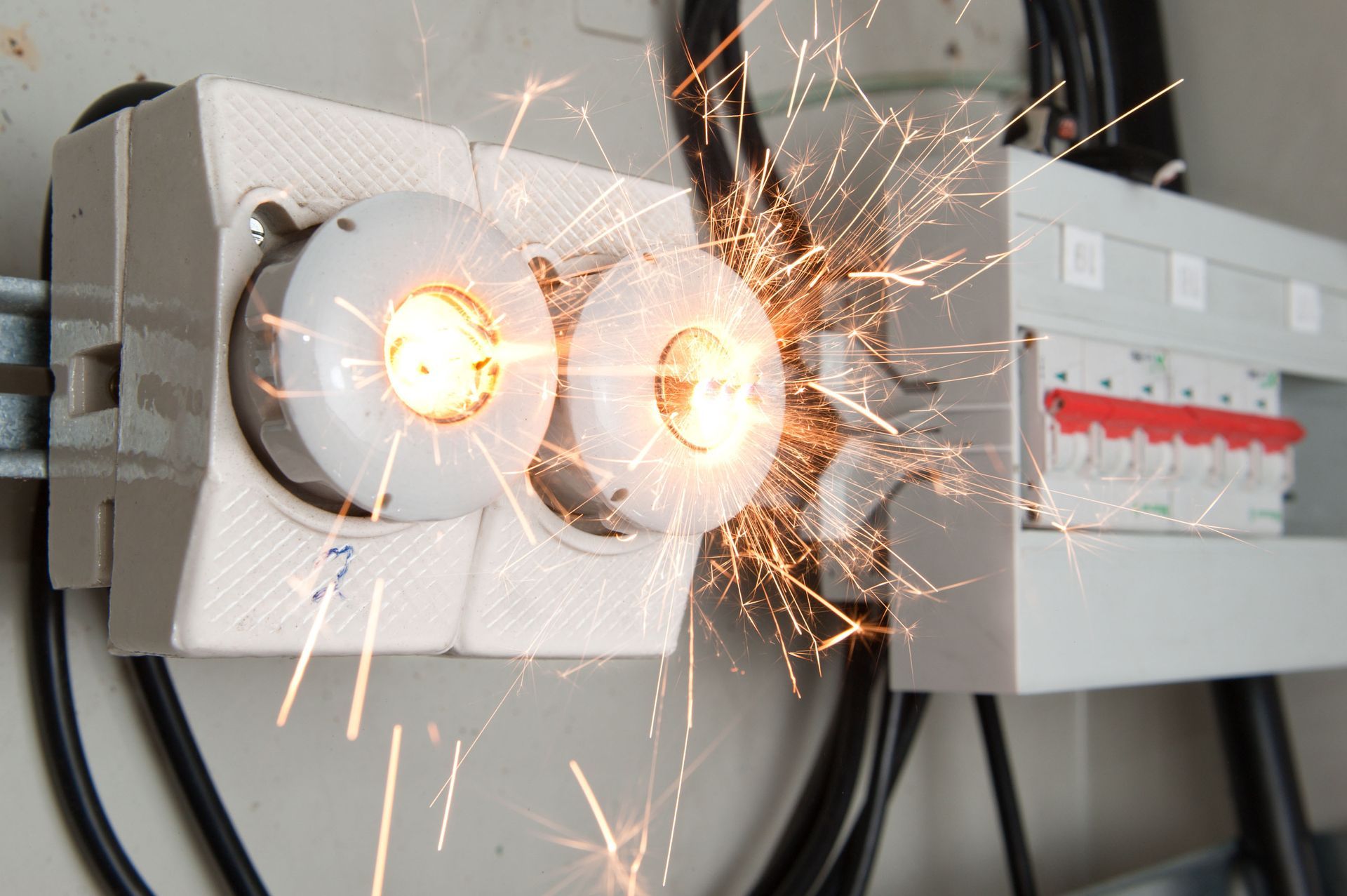
Warning signs that your panel may need attention include breakers that trip often, lights that dim when large appliances turn on, warm or buzzing panel covers, and visible rust or scorch marks. An outdated or overloaded panel isn't just inconvenient; it can also be a fire hazard.
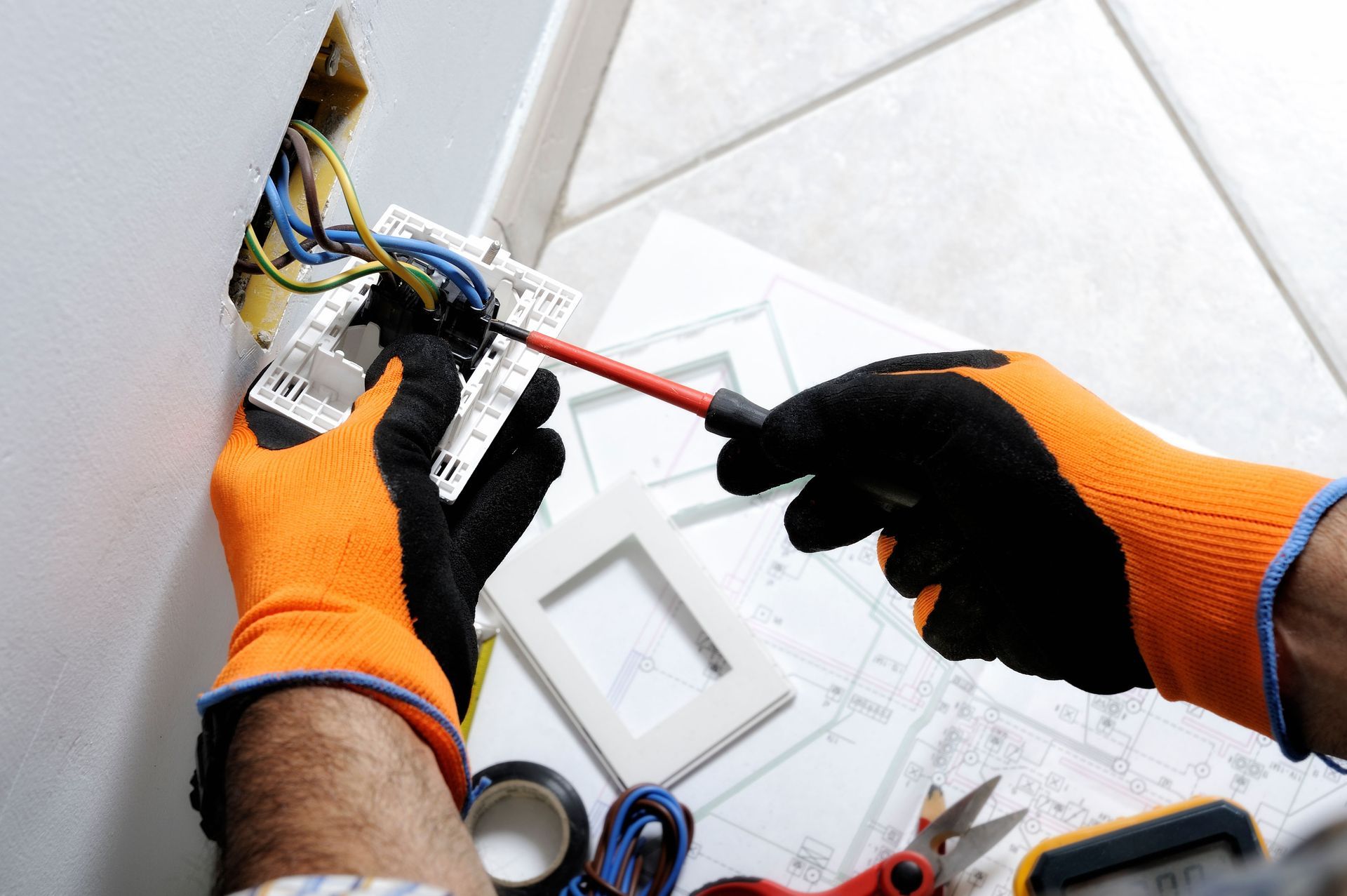
A service panel upgrade gives your home the capacity to handle today's needs and tomorrow's additions, whether that's an EV charger, a heat pump, or a backup generator. A local electrician can assess your current load, recommend the right size, replace faulty breakers, and coordinate the upgrade so it meets code. Upgrading now can help your home run more efficiently and safely, even as demand on the broader grid continues to grow.
Protecting Older Wiring From Added Stress
Even with a new panel, the wiring inside your walls plays a major role in how safely your home handles electricity. Many older homes in the region still have knob-and-tube wiring, which was never designed for today's electrical loads. This type of wiring lacks a ground, its insulation can become brittle with age, and it's often been modified over the years in ways that create hidden hazards.
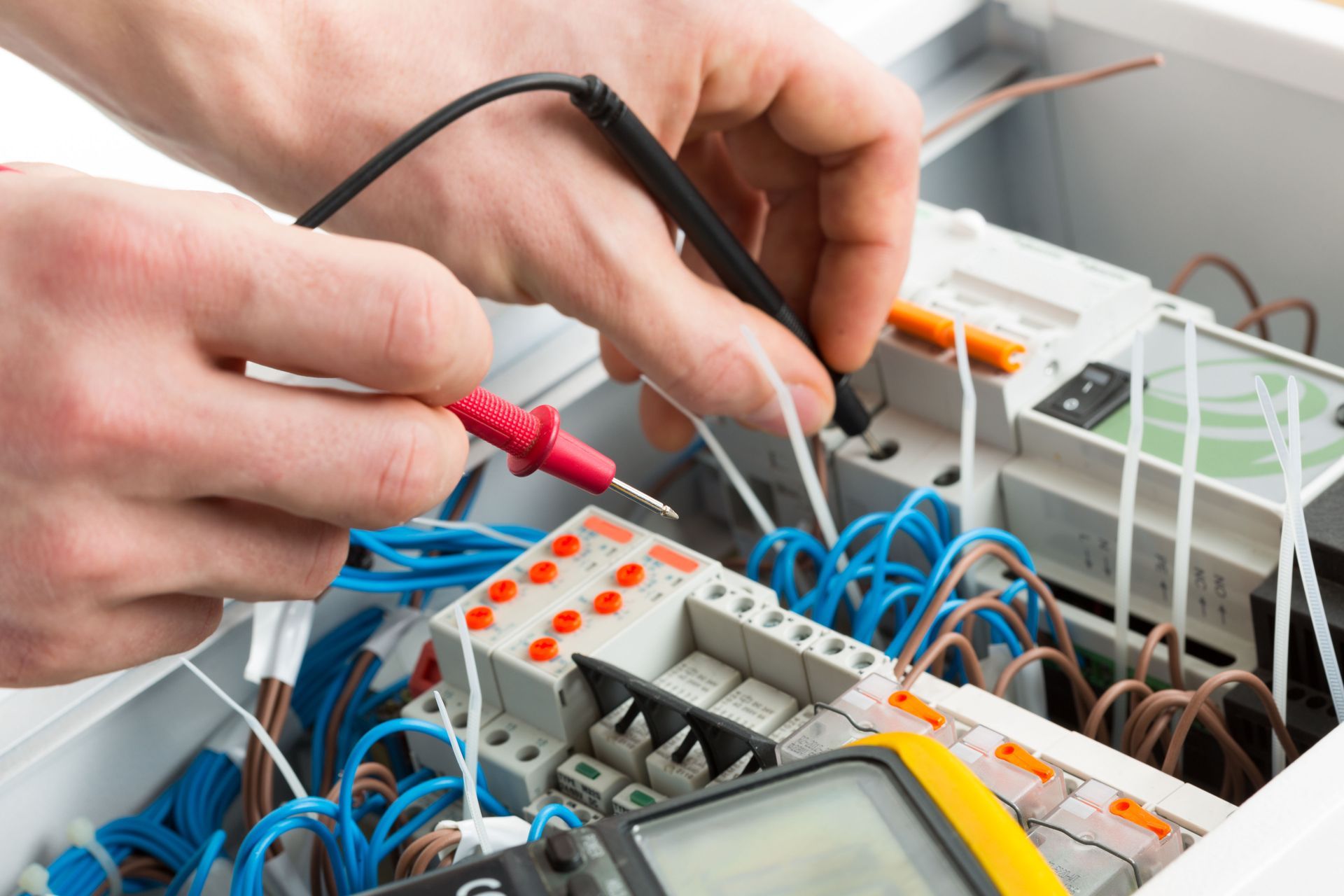
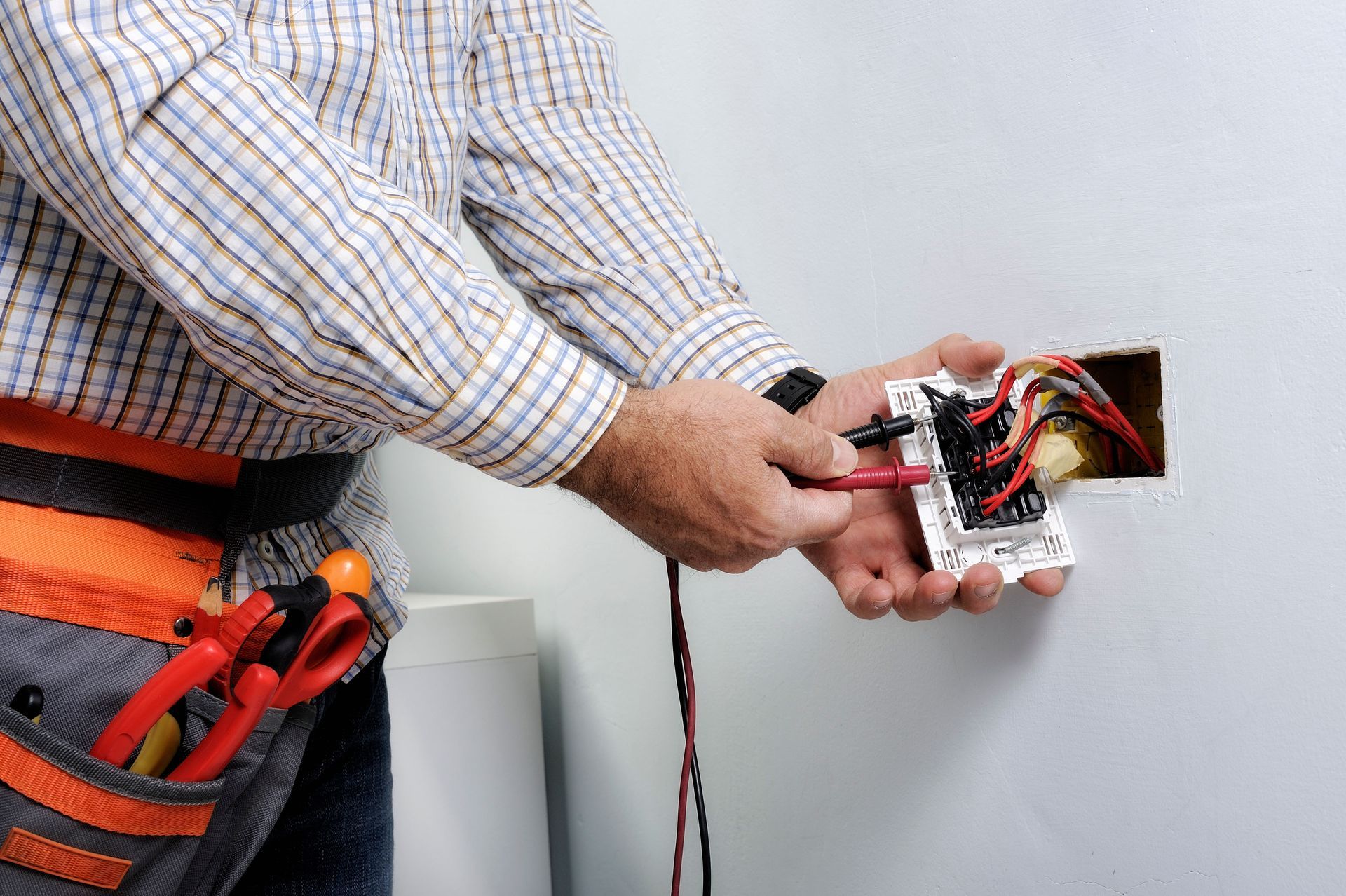
Replacing outdated wiring reduces the risk of overheating and electrical fires. It also makes it possible to add modern safety devices, such as GFCI receptacles in kitchens, bathrooms, and outdoor areas, and AFCI breakers that detect dangerous arcing before it can start a fire. A licensed professional can test these devices, troubleshoot problem circuits, and recommend the right updates for your home.
Choosing a Local Electrician You Can Depend On
As the grid evolves, the value of having a reliable local electrician on your side only grows. A professional who knows the homes and building codes in your community can spot issues an out-of-town contractor might miss and respond quickly when problems arise. Licensed electricians also carry insurance, follow safety protocols, and pull the necessary permits, which protects you and your investment.
Look for a local electrician who communicates clearly, provides upfront estimates, and stands behind their work with a warranty. Availability matters too. Electrical problems rarely happen at convenient times, so a team that answers the phone and offers emergency service can make all the difference when your power goes out on a winter night.
Rising demand and the broader push toward electrification are reshaping local power grids in ways that will affect homeowners for years to come. While you can't control what happens on the grid, you can make sure your home is ready. Upgrading your panel, installing a backup generator, and replacing outdated wiring are smart steps that improve safety, reliability, and peace of mind. Partnering with an experienced local electrician makes those upgrades simple.
If you're ready to prepare your home for the future, we're here to help. At Cyr Electric Inc., we bring over 30 years of experience to every project, along with free estimates, same-day service, 24/7 emergency support, and a one-year labor warranty. Our licensed and insured team handles everything from generator installations to service panel upgrades. Contact us today to schedule a visit from a local electrician you can count on.
Share On: