

7 Risks of Delaying Emergency Electrical Repairs
Electrical problems rarely improve when they are ignored. A flickering light, burning odor, sparking outlet, buzzing panel, or sudden loss of power can indicate a much larger issue hidden behind the walls. While some homeowners may postpone repairs because they believe the problem is minor, electrical hazards can quickly become more serious. Delaying the right repair can increase the risk of property damage, personal injury, and expensive system failures. Calling an emergency electrician when a dangerous issue appears can help identify the source of the problem before it escalates. According to SafeHome.org, nearly 75% of fire-related deaths in the U.S. occur in residential properties, highlighting the serious consequences that electrical hazards can create inside the home. Recognizing the risks of waiting can help homeowners respond more quickly when something does not seem right.
1. Increasing the Risk of Electrical Fires
One of the most serious consequences of delaying an electrical repair is the increased risk of a fire. Damaged wiring, overloaded circuits, loose connections, and faulty electrical components can generate excessive heat. That heat may eventually ignite nearby insulation, wood, drywall, or other combustible materials. A problem that begins with a warm outlet or occasional spark can develop into a dangerous fire hazard if it remains unaddressed. Electrical fires can spread rapidly through wall cavities and may not be immediately visible from inside the home. Contacting an emergency electrician at the first sign of a potentially dangerous problem can help reduce the possibility of a small issue becoming a major fire hazard.
Homeowners should pay close attention to warning signs that may indicate an elevated fire risk. A burning smell near an outlet, discoloration around switches, or a circuit breaker that repeatedly trips should not be dismissed as normal. These issues can indicate that electrical components are overheating or struggling to handle the amount of power being used. Even if the system appears to continue working, the underlying problem may still be developing. Prompt repairs can address the source of the issue instead of allowing heat and electrical stress to build over time. Taking action early is particularly important when an electrical problem appears suddenly or worsens quickly.
2. Causing Costly Property Damage
Delaying electrical repairs can also result in significant damage to a home. A failing wire or malfunctioning component can cause heat damage inside walls, ceilings, floors, or electrical panels. In more serious situations, an electrical fault can lead to a fire that destroys rooms or affects the entire structure. Water damage can also occur when electrical problems affect appliances, pumps, or other connected systems. The longer a problem continues, the more opportunities it has to damage surrounding materials and equipment. Scheduling an emergency electrician service can help homeowners address a dangerous issue before the repair becomes a much larger restoration project.
Property damage may also affect items that are not directly connected to the electrical system. A power surge caused by a malfunctioning component can damage televisions, computers, kitchen appliances, HVAC equipment, and other electronics. Replacing several damaged devices can quickly become expensive. Electrical faults may also create smoke, soot, or water damage that requires professional cleanup. These costs can be far greater than the expense of addressing the original problem. Responding quickly can help protect both the structure and the belongings inside it.
3. Creating Serious Shock Hazards
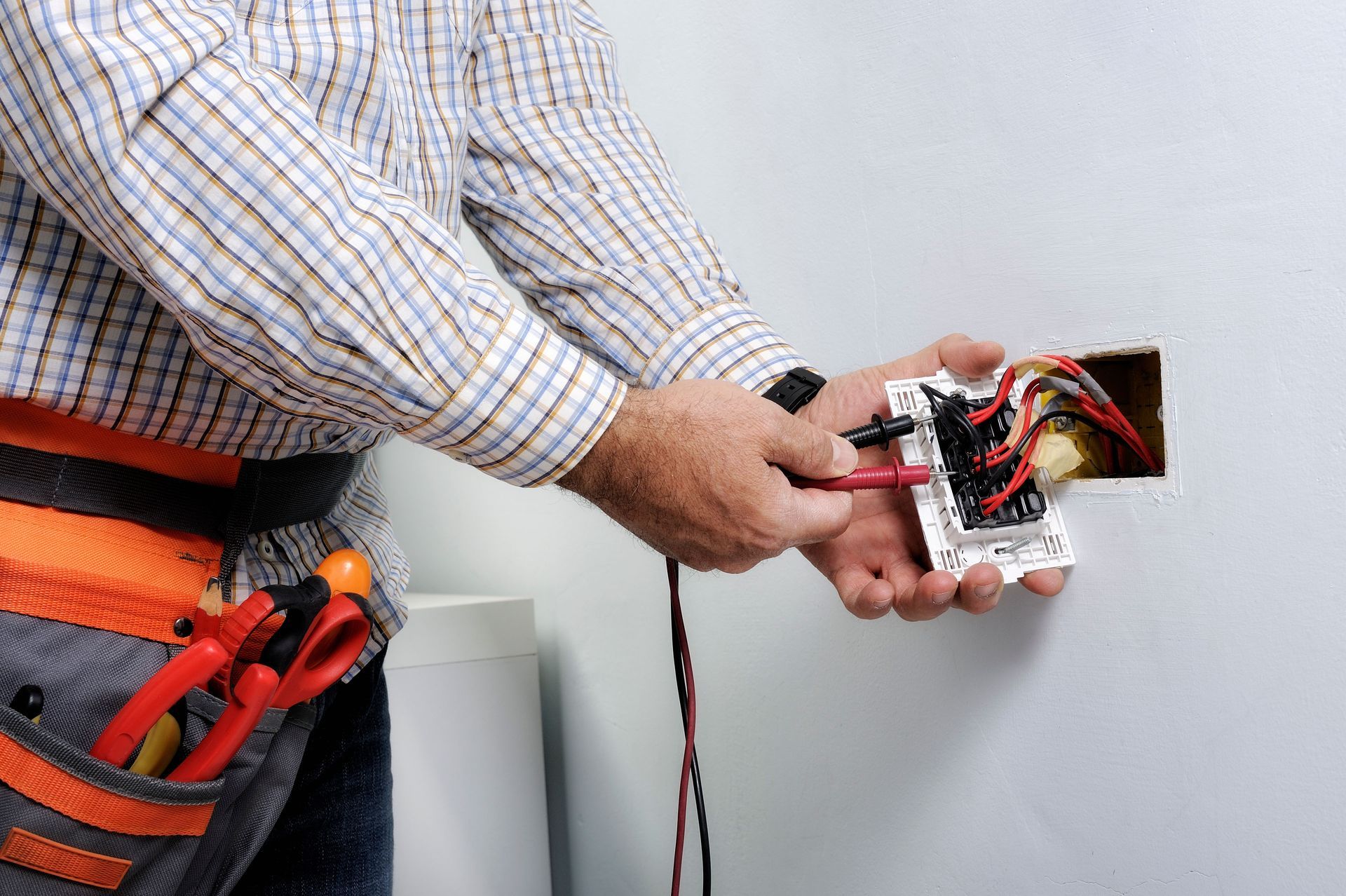
Electrical problems can create dangerous shock hazards for everyone inside a home. Exposed wires, damaged outlets, faulty switches, and improperly grounded equipment can allow electricity to travel where it should not. A person may receive a shock simply by touching a damaged component or an appliance connected to a faulty circuit. Children and pets may be especially vulnerable because they may not recognize the danger associated with electrical equipment. Even a seemingly minor shock can cause serious injuries under certain circumstances. An emergency electrician can identify unsafe conditions and make the necessary repairs to help restore a safer environment.
Homeowners should avoid attempting to investigate serious electrical issues by touching exposed wires or removing electrical components. Turning off a switch does not always eliminate the risk of electrical energy being present in the system. Some components may remain energized even when a particular device is no longer operating. Improper repairs can also create additional hazards that may not be immediately visible. Professional evaluation allows the issue to be assessed using the appropriate equipment and procedures. When an electrical hazard is suspected, keeping people away from the area until the problem is addressed is an important precaution.
4. Overloading Electrical Circuits
Many emergency electrical problems develop because circuits are asked to handle more power than they were designed to support. Modern homes rely on numerous appliances, electronics, heating systems, cooling equipment, chargers, and other devices. When too many items operate on the same circuit, wiring and electrical components may become overloaded. Repeated breaker trips can be an indication that the system is struggling to handle the demand. Continuing to reset the breaker without addressing the underlying cause can increase the risk of overheating. An emergency electrician can evaluate the circuit and determine whether the issue involves a faulty device, damaged wiring, or insufficient electrical capacity.
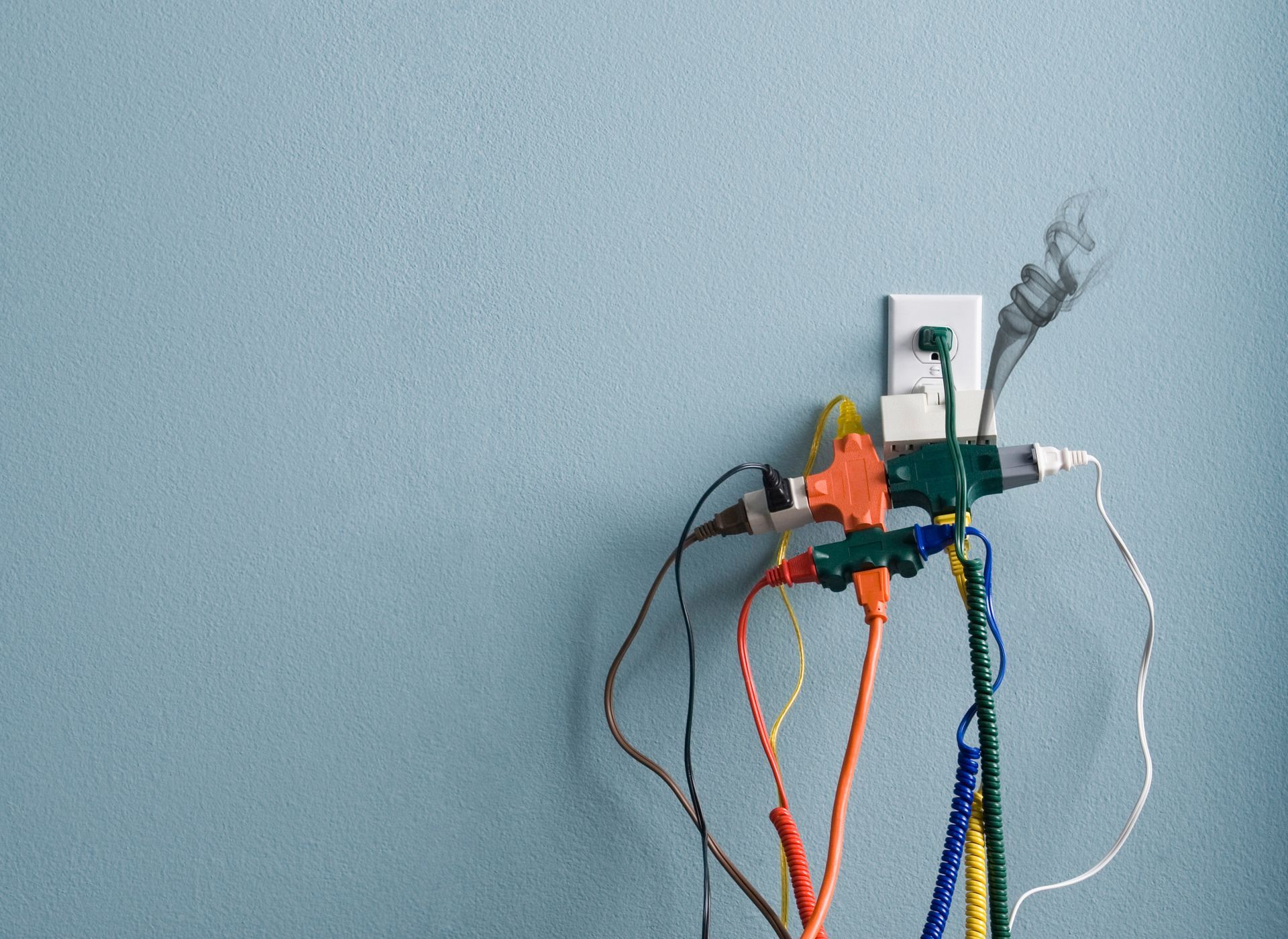
Overloading may also happen when homeowners rely heavily on extension cords and power strips. These products can be useful for temporary needs but may create problems when used as permanent solutions for high-demand equipment. Plugging multiple powerful devices into one location can place significant stress on a circuit. A warm power strip, melted plug, or discolored outlet should be treated as a warning sign. Ignoring these conditions can allow heat to build up gradually. A professional repair may involve correcting the wiring, improving circuit capacity, or replacing damaged components.
5. Damaging Appliances and Electronics
Electrical problems can affect much more than lights and outlets. Unstable voltage, power surges, and faulty circuits can damage expensive appliances and sensitive electronics. Refrigerators, washing machines, computers, televisions, and HVAC equipment may all be affected by inconsistent electrical performance. Some devices may stop working immediately, while others may develop damage that causes them to fail later. Delaying repairs can therefore result in unnecessary replacement costs. Calling an emergency electrician can help identify electrical conditions that may be placing valuable equipment at risk.
Power fluctuations can be particularly concerning because they may not always produce obvious warning signs. A homeowner may notice lights briefly dimming or electronics restarting without realizing that an electrical issue is responsible. These changes can indicate instability within the electrical system. If the problem continues, repeated fluctuations may place additional stress on connected equipment.
6. Allowing Small Problems to Escalate
Many major electrical failures begin with warning signs that seem relatively minor. A light may flicker occasionally, an outlet may feel warm, or a breaker may trip once in a while. Homeowners may assume that these problems can wait until a more convenient time. However, electrical issues can change quickly, especially when components are deteriorating or circuits are under heavy demand. A small problem can eventually affect additional parts of the electrical system. Contacting an emergency electrician can help determine whether an unusual symptom requires immediate attention.
Waiting can also make it more difficult to identify the original cause of the problem. When multiple components fail, the resulting symptoms may become more complicated. A simple wiring issue could eventually lead to damaged outlets, appliances, breakers, or other electrical equipment. This can make the repair more extensive and expensive than it would have been initially. Homeowners should not assume that an issue is harmless simply because it has not caused a major failure yet. Early professional evaluation can help prevent a developing problem from becoming a widespread electrical emergency.
7. Increasing the Risk of Power Loss
A delayed electrical repair can eventually lead to a complete loss of power. A damaged connection, failing breaker, or overloaded circuit may continue deteriorating until the system can no longer operate properly. Unexpected power loss can create major disruptions for households. Refrigerated food may spoil, heating and cooling systems may stop working, and essential equipment may become unavailable. A sudden outage can also create safety concerns during extreme weather or nighttime conditions.
When you need prompt, professional help with a serious electrical issue, Cyr Electric Inc can help. From urgent electrical problems to repairs that require immediate attention, the company is ready to help homeowners address dangerous electrical conditions. Contact Cyr Electric Inc today to schedule the professional electrical service your home needs.

Share On: