

Kitchen Outlets and Hidden Hazards What Every Homeowner Needs to Know About Electrical Safety
Kitchen outlets are essential to everyday life, powering everything from coffee makers and refrigerators to microwaves and other household appliances. However, the convenience of modern kitchens can sometimes overshadow the electrical hazards hidden behind walls, beneath countertops, and inside frequently used outlets. Understanding these risks is an important part of protecting your home, appliances, and family.
Electrical problems are not always immediately obvious. An outlet may appear functional while deteriorating connections, overloaded circuits, or damaged wiring create potentially dangerous conditions. Recognizing warning signs and knowing when to contact local emergency electricians can help homeowners address electrical concerns before they escalate into serious safety hazards.
Understanding the Hidden Electrical Hazards in Kitchens
Kitchens present unique electrical safety challenges because they combine powerful appliances, frequent electrical use, and exposure to moisture. Unlike other rooms where outlets may power relatively low-demand electronics, kitchen circuits often support appliances that require significant electrical capacity.
Over time, repeated use can contribute to worn outlet contacts, loose wiring connections, and deteriorating electrical components. These problems may develop gradually without producing visible damage. An outlet that feels unusually warm or intermittently loses power could indicate an underlying issue requiring professional attention.
Moisture introduces another important concern. Water from sinks, spills, or cleaning activities can reach electrical components and increase the risk of shock or equipment damage. Even outlets positioned away from sinks may be affected by leaks or unexpected moisture exposure.
Recognizing the Warning Signs of Dangerous Kitchen Outlets
Electrical hazards often produce subtle warning signs before a major failure occurs. Recognizing these indicators allows homeowners to seek assistance before conditions worsen.
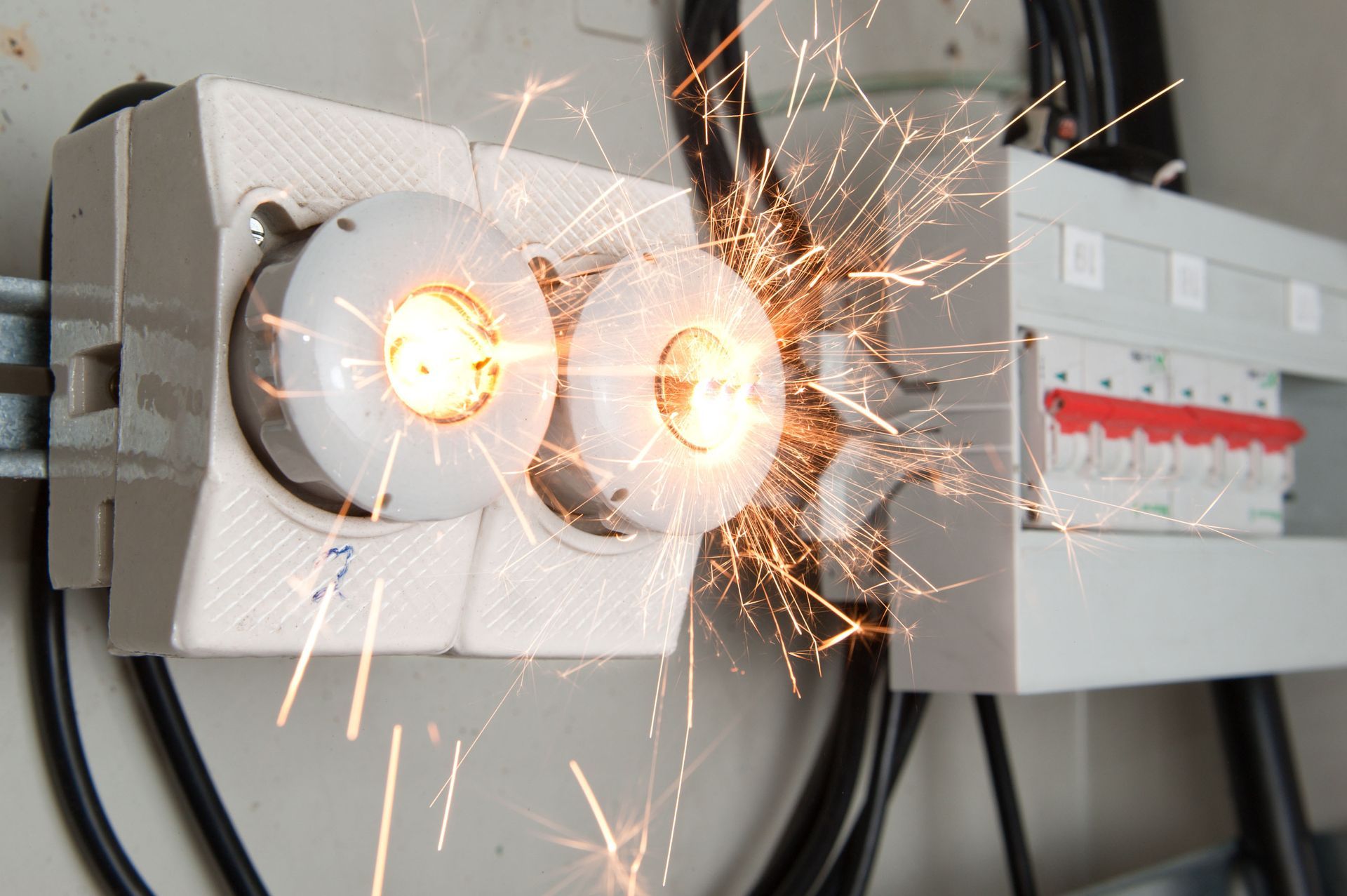
Discolored outlet covers, scorch marks, and unusual odors can indicate overheating or electrical arcing. These symptoms should never be dismissed as ordinary wear. Similarly, buzzing or crackling sounds near an outlet may suggest deteriorating connections or damaged internal components.
Another concern involves outlets that frequently stop working or appliances that unexpectedly lose power. Although occasional interruptions may have simple explanations, recurring electrical problems warrant further investigation. Frequent breaker trips can also indicate overloaded circuits, faulty equipment, or wiring defects.
When these symptoms appear, local emergency electricians can evaluate the affected electrical system and determine whether immediate repairs are necessary. Prompt professional attention is especially important when homeowners notice smoke, sparks, or persistent burning odors.
Preventing Electrical Overloads From Kitchen Appliances
Modern kitchens contain numerous appliances that may operate simultaneously. Refrigerators, dishwashers, microwaves, and countertop cooking equipment can place substantial demands on household electrical systems.
An electrical overload occurs when connected equipment draws more current than a circuit is designed to handle. Although circuit breakers provide important protection, repeated overloads can create inconvenience and signal that the electrical system needs evaluation.
Portable power strips and extension cords are particularly concerning when used with high-demand kitchen appliances. These accessories may not be designed to accommodate the electrical requirements of heating equipment or other powerful devices. Improper usage can contribute to overheating and fire hazards.
A qualified electrician can assess circuit capacity, appliance requirements, and the distribution of electrical loads throughout the kitchen. Depending on the findings, professional recommendations may include dedicated appliance circuits or improvements to existing electrical infrastructure.
Protecting Kitchen Outlets From Water and Moisture
Water and electricity create a particularly dangerous combination, making moisture protection essential in kitchen environments. Sinks, dishwashers, countertops, and plumbing connections can all introduce water near electrical equipment.
Ground-fault circuit interrupter protection, commonly called GFCI protection, plays an important role in reducing electrical shock risks. These protective devices detect certain differences between outgoing and returning electrical current and interrupt power when a ground fault is detected.
However, protective equipment does not eliminate every electrical hazard. Damaged wiring, improper installation, or deteriorating components can still create dangerous conditions that require professional assessment.
Homeowners should pay attention to outlets exposed to recurring moisture, especially around sinks and appliances connected to plumbing. Water intrusion behind cabinets or walls may affect electrical components without immediately producing visible symptoms.
When moisture exposure is accompanied by unusual electrical behavior, local emergency electricians can assess affected circuits and identify potential safety concerns. Professional evaluation helps determine whether outlets, wiring, or protective devices require replacement or additional safeguards.
Identifying the Risks of Counterfeit Electrical Products
Electrical safety also depends on the quality and reliability of the products connected to household outlets. Counterfeit chargers, adapters, extension cords, and other electrical accessories may imitate recognized brands without meeting comparable manufacturing or safety standards.
Online shopping has made these products easier to encounter. According to Electrical Safety First, 51% of young adults aged 25 to 34 have unintentionally bought counterfeit electrical products online, compared with less than 10% of consumers older than 55.
Counterfeit electrical accessories may contain inadequate insulation, poor internal connections, or components that cannot safely manage their intended electrical loads. These weaknesses can contribute to overheating, equipment damage, and increased fire risks.
Homeowners should prioritize electrical products from reputable manufacturers and established retailers. Recognized safety certifications can provide useful information, although certification markings themselves should be verified when authenticity is questionable.
If suspicious equipment has caused outlet damage, unusual heating, or electrical interruptions, local emergency electricians can inspect the affected installation. Professional assessment can help determine whether damage extends beyond the accessory itself.
Maintaining Kitchen Electrical Systems Through Professional Inspections
Preventive electrical maintenance helps homeowners identify developing problems before they disrupt daily activities. Kitchen electrical systems experience frequent use, making periodic professional evaluations especially valuable.
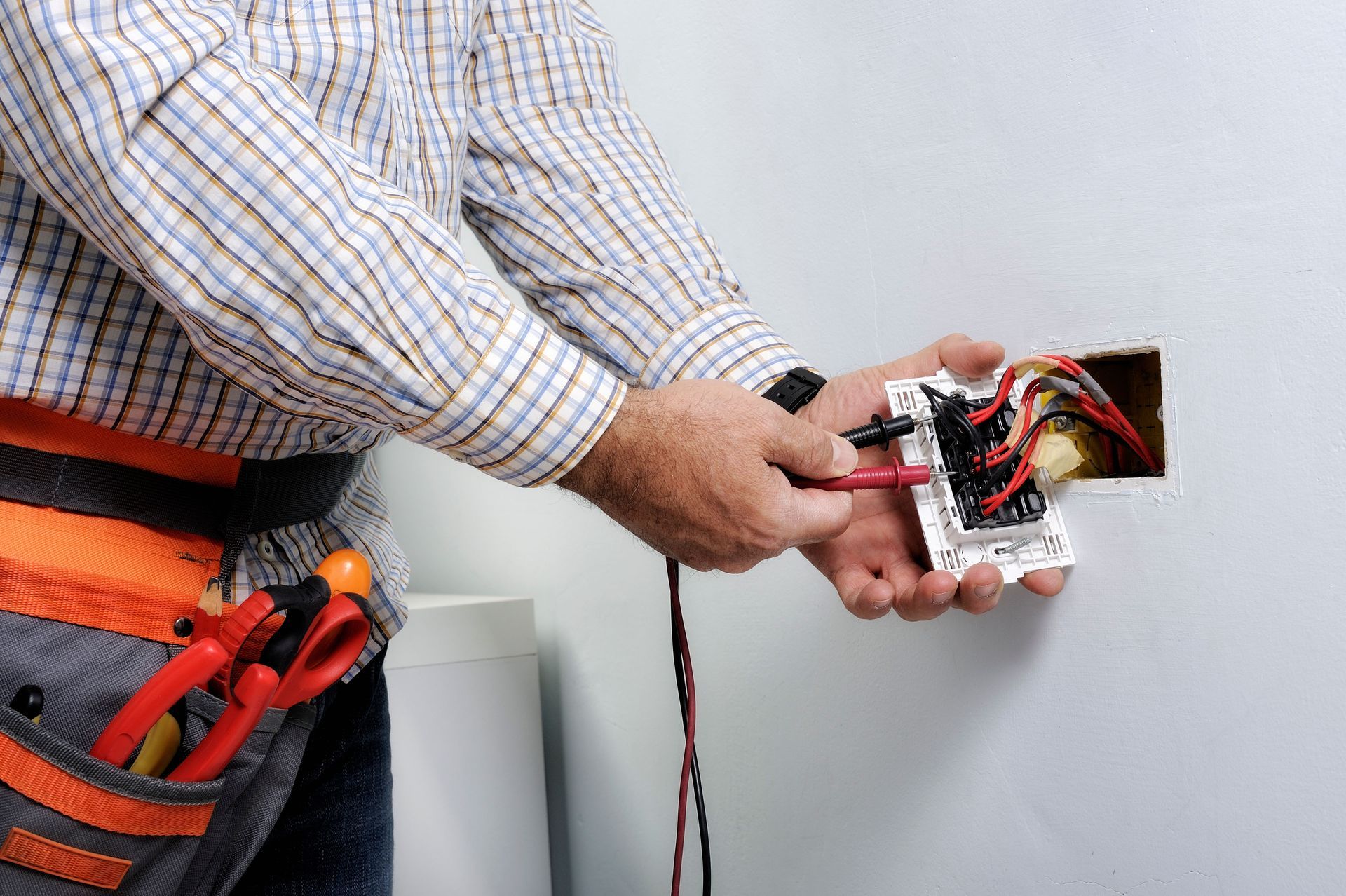
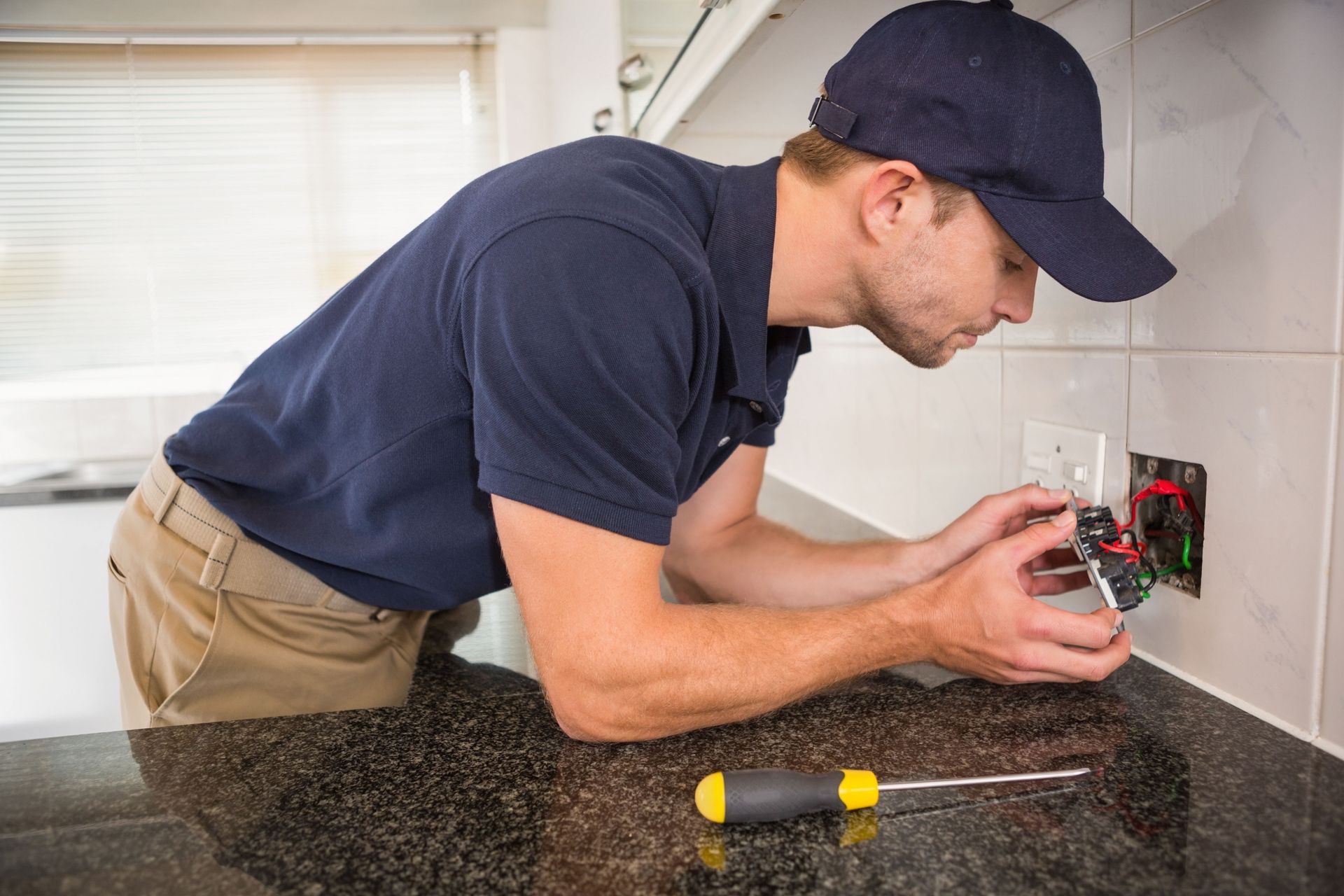
During an inspection, a qualified electrician may assess outlet condition, wiring connections, circuit protection, and the suitability of existing electrical capacity. The evaluation can also identify outdated components or installation deficiencies that warrant correction.
Kitchen renovations provide another opportunity to review electrical safety. New appliances, additional outlets, and changes to kitchen layouts can introduce demands that existing circuits were not originally designed to support.
Professional inspections are particularly beneficial when purchasing an older home, experiencing repeated electrical interruptions, or noticing unusual outlet behavior. They can also help homeowners understand whether their electrical systems align with applicable safety requirements.
Establishing a relationship with local emergency electricians provides access to professional assistance when unexpected electrical problems arise. Understanding the condition of kitchen wiring and protective devices supports informed maintenance decisions and long-term household safety.
Responding Safely to Unexpected Kitchen Electrical Emergencies
Electrical emergencies can develop quickly, particularly when overheating, damaged wiring, or moisture affects heavily used kitchen circuits. Recognizing situations that require immediate professional assistance is essential.
Visible sparks, smoke, burning odors, and signs of electrical arcing indicate potentially serious hazards. Electrical shocks associated with appliances or outlets also warrant urgent attention, even when the equipment appears to continue operating normally.
Homeowners should avoid touching damaged electrical components, attempting repairs, or repeatedly operating equipment associated with suspicious symptoms. When an electrical fire occurs, occupants should prioritize evacuation and contact emergency services rather than attempting unsafe interventions.
For urgent electrical concerns that do not require immediate emergency-service intervention, local emergency electricians can evaluate the situation, identify hazardous conditions, and perform necessary repairs.
Professional troubleshooting is important because visible symptoms may originate elsewhere in the electrical system. Replacing an outlet without identifying the underlying cause may leave a dangerous condition unresolved.
Prioritizing Long-Term Kitchen Electrical Safety
Kitchen electrical safety requires more than functioning outlets and reliable appliances. It depends on properly maintained wiring, appropriate circuit protection, quality electrical equipment, and awareness of developing hazards.
Homeowners who recognize warning signs and prioritize professional evaluations can make informed decisions about necessary repairs and electrical improvements. Preventive maintenance also helps ensure kitchen electrical systems remain suitable as household needs evolve.
Whether dealing with recurring breaker trips, damaged outlets, or unexpected electrical interruptions, consulting local emergency electricians provides an appropriate path toward identifying and addressing potential hazards. A proactive approach helps protect household members while supporting reliable kitchen operation.
For professional assistance with kitchen outlets, wiring concerns, or electrical safety inspections, contact Cyr Electric Inc. Our team can help evaluate your electrical needs, explain recommended solutions, and provide professional support. Reach out to us to discuss your concerns and learn how we can help maintain a safer electrical environment in your home.
Share On: