

How Commercial Electricians Keep Workspaces Safe and Compliant
Commercial electricians play a crucial role in ensuring that workspaces are not only functional but also safe and aligned with current regulations. As the backbone of building operations, they are responsible for maintaining the integrity of electrical systems, minimizing risks, and preventing accidents. Their expertise supports organizations in navigating an increasingly complex regulatory environment while keeping pace with evolving technologies and safety standards. Understanding how these professionals approach their work reveals just how essential they are to the safety and reliability of modern commercial spaces.
Understand Electrical Safety Standards and Codes
Commercial electricians are intimately familiar with local, state, and national electrical codes, which govern the safe installation and maintenance of electrical systems. These codes establish parameters for everything from wiring methods to equipment installation, ensuring consistent safety standards across all types of commercial environments. Staying current with these codes is not merely a legal obligation — it is a foundational commitment to protecting every person who works in or visits a building. According to Electrical Technology, commercial electricians routinely work with high-voltage systems capable of exceeding 600 volts, which makes continuous education and strict code adherence absolutely essential.
Beyond code knowledge, electricians must also comply with guidelines from the Occupational Safety and Health Administration (OSHA) and follow the NFPA 70E standard, which focuses on protecting workers from electrical hazards such as shock and arc flash. OSHA guidelines cover everything from personal protective equipment to the safe operation of electrical systems, while NFPA 70E helps electricians implement safe work practices in high-voltage environments. Arc flash protection is another critical priority, requiring electricians to assess risks, establish safety boundaries, and use specialized equipment to guard against sudden and dangerous energy releases. Together, these standards form a comprehensive framework that electricians apply consistently to keep workspaces safe and compliant.
Conduct Thorough Electrical Inspections
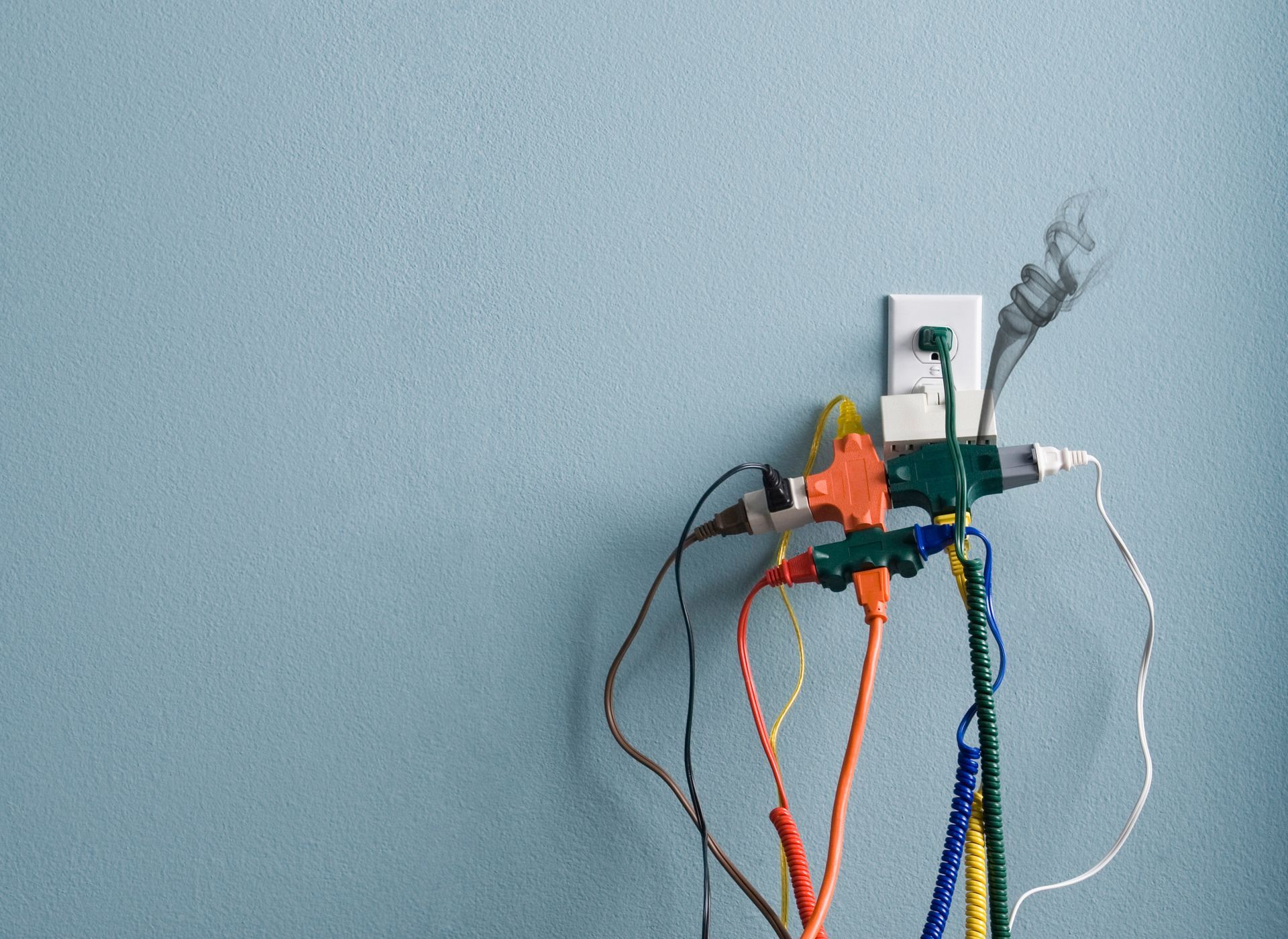
Regular electrical inspections are one of the most effective tools electricians use to keep workspaces safe. Trained to detect early warning signs of failure — such as fraying wires, overheating circuits, and faulty connections — electricians can identify hazards before they escalate into dangerous or disruptive problems. Inspections also include thorough evaluations of wiring systems to determine whether they meet current safety standards and can adequately handle existing electrical loads. Early detection enables timely corrective action, reducing the likelihood of electrical fires, system failures, and unexpected downtime.
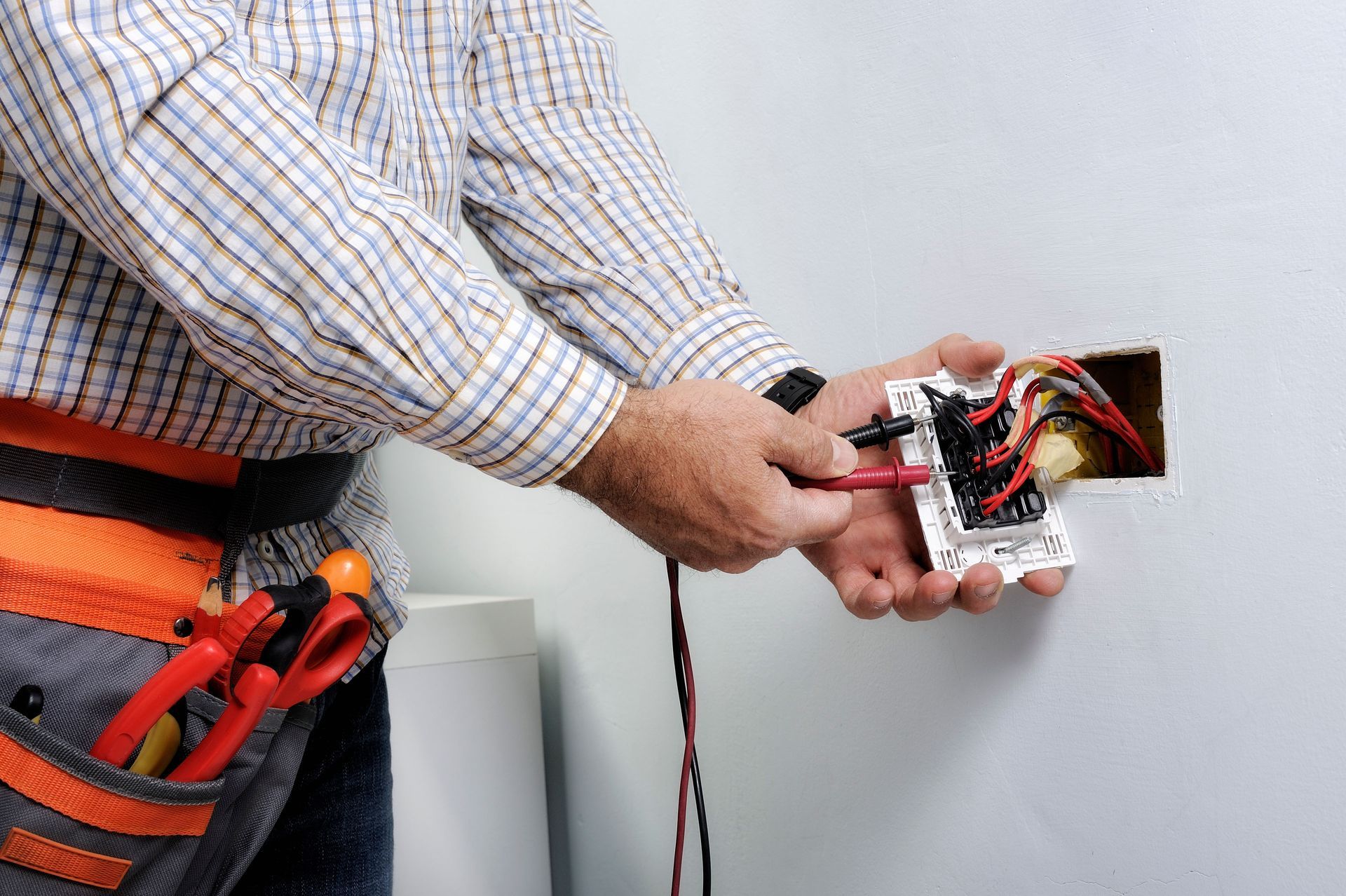
Advanced tools have significantly enhanced the precision and efficiency of these inspections. Infrared cameras, multimeters, and circuit tracers allow electricians to uncover hidden issues such as energy leaks, overloading, and potential equipment failures quickly and accurately. Detailed documentation of inspection findings — including identified hazards, observations, and recommended corrective actions — provides a valuable record that supports future maintenance planning and demonstrates regulatory compliance. After completing an inspection, electricians guide the corrective actions needed to address any issues, recommending equipment repairs, part replacements, or system upgrades as appropriate to restore safe and reliable operation.
Implement Preventive Maintenance Practices
Preventive maintenance is a cornerstone of the work performed by electricians, helping organizations avoid the disruptions and dangers that come with unexpected system failures. Scheduled system checks allow electricians to monitor wiring, circuit functionality, and overall electrical performance on a consistent basis, catching developing problems before they become serious. Voltage and current monitoring is equally important, enabling electricians to identify fluctuations that may signal underlying issues and make timely adjustments to keep systems operating within safe parameters. These proactive evaluations reduce the likelihood of costly downtime that can interrupt daily operations and impact productivity. Consistent oversight supports long-term system reliability and helps businesses plan for upgrades before equipment reaches the point of failure.
Maintaining electrical panels, breakers, outlets, and switches is another essential component of preventive care. Panels and breakers act as control centers for a building's electrical system, and regular servicing — including cleaning, tightening connections, and replacing worn components — keeps them functioning reliably. Outlets and switches, used daily throughout a commercial space, must be regularly inspected to ensure they are properly grounded, securely mounted, and free of damage. Commercial electricians also review and test emergency power systems, including generators, backup batteries, and transfer switches, to confirm that critical operations can continue uninterrupted in the event of a power outage. Routine maintenance of these systems ensures they respond quickly and effectively when needed most. This level of preparedness gives businesses confidence that essential equipment and safety systems will remain operational during unexpected events.
Ensure Proper Installation and Repair Procedures
Every electrical installation performed by electricians must comply with established codes and industry standards to ensure safety and long-term performance from the outset. Precise adherence to these regulations minimizes the risks associated with faulty installations, including electrical fires and accidental electrocution, while establishing a secure foundation for the building's entire electrical infrastructure. Verifying the quality of all equipment and parts used in installations is equally important, as inferior or defective components can compromise the integrity of an entire system and create hazards down the line.
Post-installation testing and verification are critical steps that confirm all systems operate safely and as intended before a space is put back into full use. Once work is completed, electricians conduct thorough tests to detect any residual issues and provide clients with confidence that their systems are fully operational and secure. Comprehensive repair documentation — recording every step taken, parts used, and changes made — ensures accountability, supports future maintenance decisions, and provides legal clarity regarding compliance with safety regulations. This disciplined approach to installation and repair reflects the professionalism and precision that define the work of qualified commercial electricians.
Educate Employees and Adapt to New Technologies
Safety training and employee education are vital components of the broader safety mission carried out by commercial electricians. By conducting training sessions, organizing workshops on electrical best practices, and distributing clear safety manuals, electricians help build a well-informed workforce capable of recognizing hazards and responding appropriately. Emergency response drills simulate real-life scenarios, preparing building occupants to act quickly and calmly during electrical emergencies. These efforts foster a safety-first culture in which every member of an organization understands their role in maintaining a secure working environment.
Staying current with emerging technologies is equally important for electricians committed to delivering the highest standard of service. Smart grid solutions, energy management systems, and IoT-based safety monitoring tools are transforming the way electrical systems are managed, offering real-time data and automated responses that enhance both efficiency and reliability. The integration of renewable energy sources, such as solar panels, requires electricians to continually expand their expertise to ensure these systems are installed safely and operate seamlessly alongside existing infrastructure. Through ongoing professional development and a willingness to embrace innovation, electricians remain essential partners in building safe, modern, and forward-looking workspaces.
The expertise that commercial electricians bring to every project is indispensable for creating workspaces that are safe, efficient, and fully compliant with current standards. From thorough inspections and preventive maintenance to proper installation practices and employee education, their work touches every aspect of a building's electrical health. As technologies and regulations continue to evolve, their role will only grow more critical in helping organizations meet new demands and protect the people who depend on safe electrical systems every day. If you are ready to ensure your workspace meets the highest standards of electrical safety and compliance, contact us at Cyr Electric Inc. today — we will help you keep your building safe, code-compliant, and operating at its best.

Share On: