

When Seconds Count How to Handle a True Household Electrical Emergency
Handling household electrical emergencies requires quick thinking and the right knowledge. These situations can pose serious risks to both property and human safety. Understanding common electrical dangers is important because acting quickly while following proper safety practices can prevent a minor problem from becoming a serious incident. Homeowners should know when to move away from a hazard, disconnect power when safe, and contact residential electricians for professional assistance.
Being prepared for electrical emergencies can make a major difference in how safely a household responds. Problems can develop suddenly because of damaged wiring, overloaded circuits, aging components, or faulty appliances. According to Zippia, there are more than 465,873 electricians employed in the United States. This large professional workforce highlights the widespread need for trained electrical expertise when homeowners encounter problems that require specialized knowledge and safe repair practices.
Understanding Household Electrical Systems
Household electricity travels through circuits that supply power to outlets, lights, appliances, and other devices. Each circuit is designed to handle a specific electrical load. When demand exceeds safe limits, a circuit breaker should trip and interrupt the flow of electricity, helping prevent overheating and possible fires.
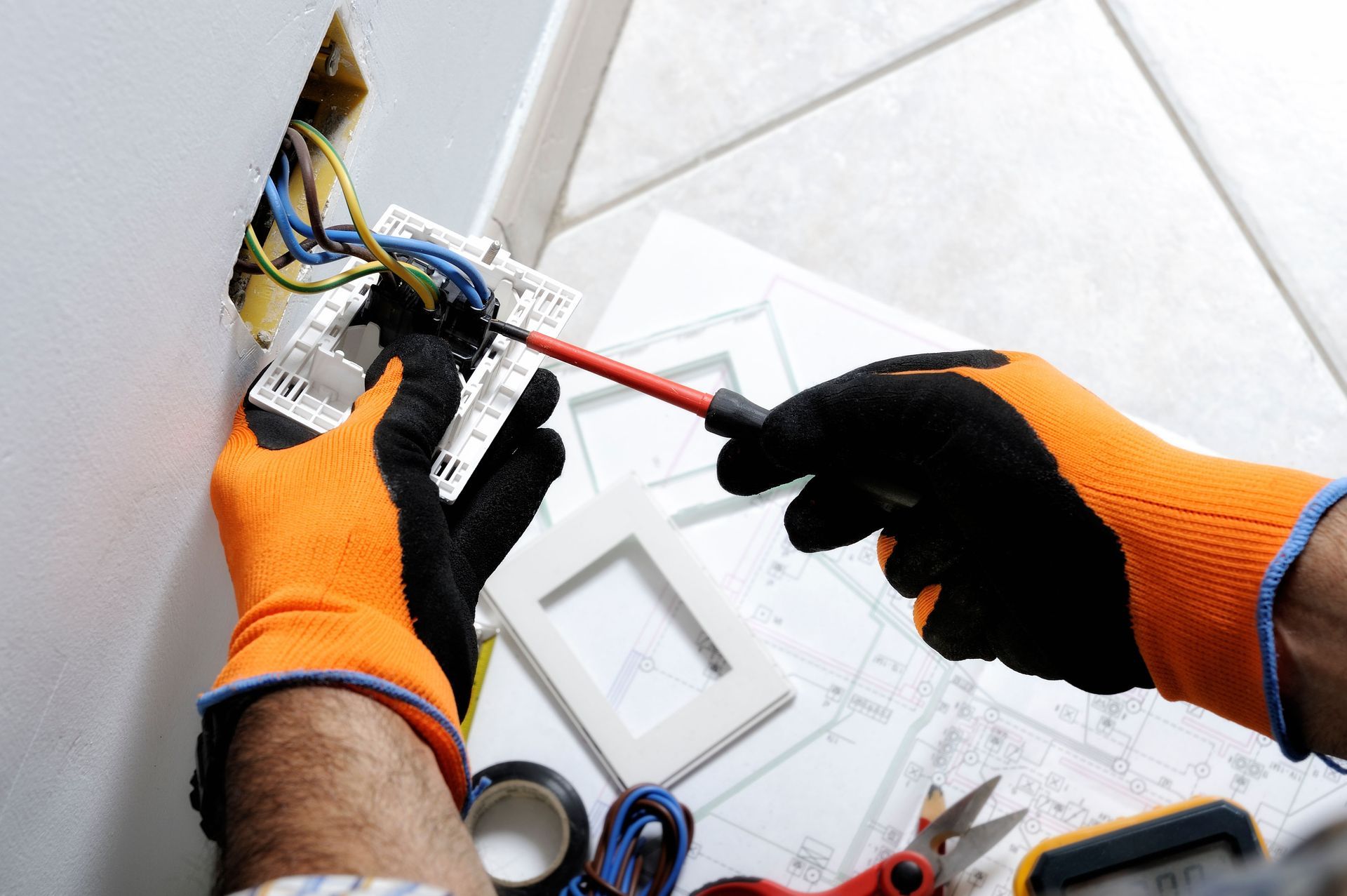
Homeowners should know where their main electrical panel is located and which breakers correspond to important areas of the house. Understanding these basics can make it easier to identify abnormal conditions. However, problems involving damaged wiring, electrical panels, or repeated breaker trips should generally be evaluated by residential electricians rather than handled as do-it-yourself repairs.
Recognizing Common Electrical Hazards
Many electrical hazards develop gradually and may initially appear harmless. Loose outlets, damaged cords, overloaded extension cords, outdated wiring, and aging electrical panels can create unsafe conditions. Older homes may contain electrical systems that were not designed to accommodate the number of appliances and electronics used in modern households.
Frequent breaker trips, buzzing switches, warm outlets, sparks, discoloration, and persistent flickering lights can indicate underlying problems. Homeowners should avoid repeatedly resetting breakers without identifying the cause. Residential electricians can inspect recurring issues and determine whether repairs, replacement components, or electrical upgrades are necessary.
Identifying Signs of an Electrical Fire
Unexplained burning odors, smoke, charred outlets, darkened switch plates, and unusual warmth can be early signs of an electrical fire. Buzzing or crackling noises may also indicate loose connections or overheating electrical components. A smell resembling burning plastic can suggest that wire insulation or another component is overheating.
If smoke or flames are present, occupants should prioritize evacuation and contact emergency services from a safe location. Attempting to locate or repair the electrical source while conditions are actively dangerous can increase the risk of burns, smoke exposure, and electrical shock. Even when flames are not visible, persistent burning odors deserve immediate attention.
Recognizing Short Circuits
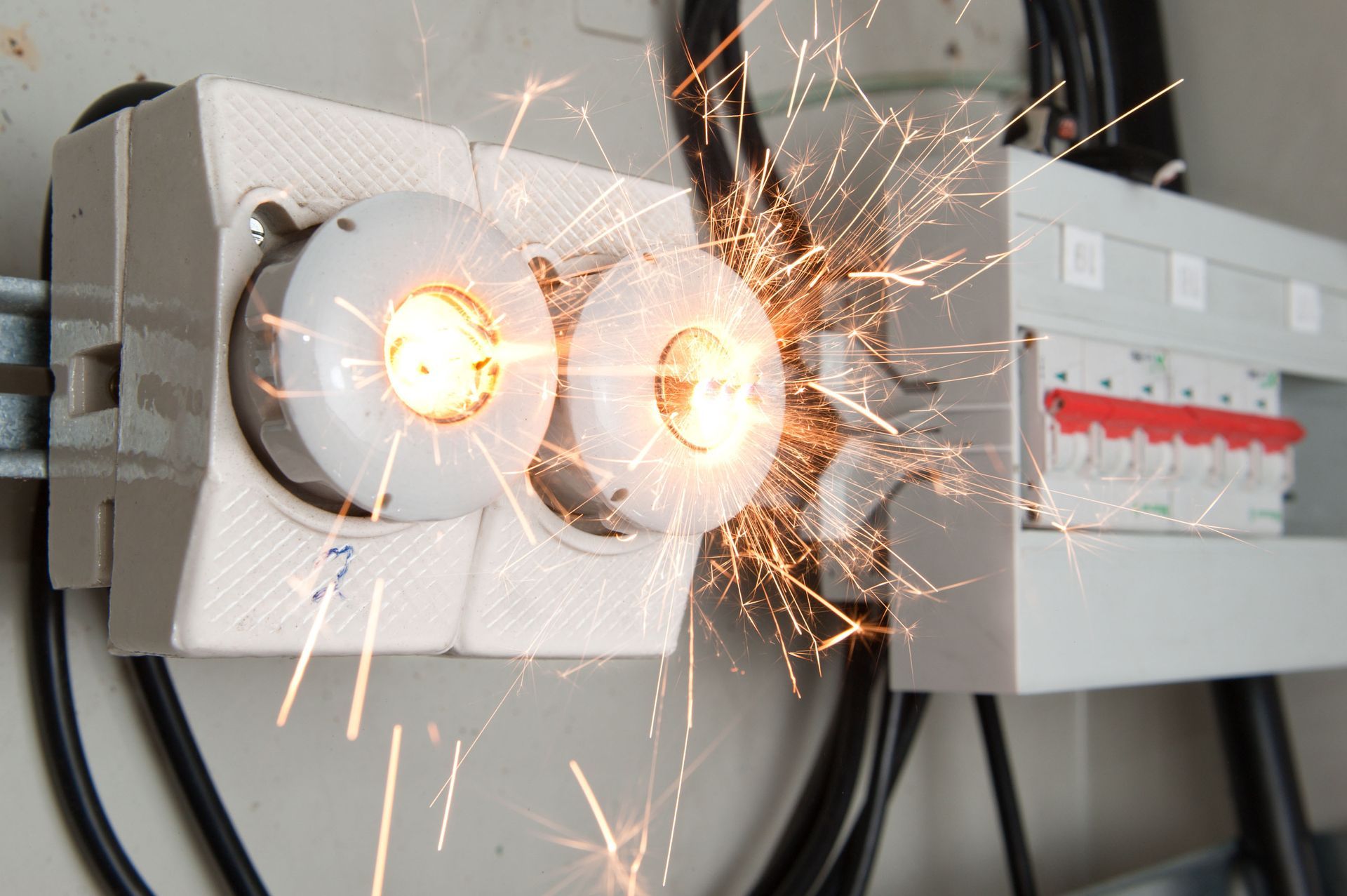
A short circuit occurs when electrical current travels along an unintended path, potentially producing excessive heat, sparks, and sudden interruptions in electrical service. Warning signs can include a breaker that immediately trips after being reset, scorch marks around an outlet, sparks, smoke, or an unusual burning odor.
Repeatedly resetting a breaker without determining why it is tripping can expose the electrical system to additional problems. Homeowners should avoid opening outlets, panels, or wiring assemblies to investigate. Persistent symptoms should be examined by residential electricians before the affected circuit is returned to regular use.
Responding to Electrical Shock
Electrical shock can occur when someone contacts energized wiring, damaged equipment, or another conductive surface carrying electricity. Possible symptoms include burns, pain, muscle contractions, numbness, breathing difficulties, confusion, or loss of consciousness. The severity of an electrical injury may not always be immediately apparent.
Never directly touch someone who remains in contact with an electrical source. If electricity can be disconnected safely, shut it off without approaching the energized area. Emergency medical assistance should be requested when a person experiences a serious electrical shock, especially when burns, breathing problems, unconsciousness, or chest symptoms are present.
Watching for Burning Insulation
The smell of burning insulation is an important warning that should not be ignored. A sharp or plastic-like odor can indicate overheated wiring, damaged insulation, or failing electrical equipment. Because much of a home's wiring is concealed behind walls and ceilings, the source of the smell may not be immediately visible.
If the odor becomes stronger, smoke appears, or surrounding surfaces become unusually warm, occupants should move away from the area. Electricity should only be disconnected if the main panel can be reached safely. Residential electricians can then inspect the system and locate damaged wiring or components before power is restored.
Evaluating Flickering Lights and Power Surges
Persistent flickering lights can indicate loose wiring, overloaded circuits, deteriorating fixtures, or electrical service problems. Homeowners should note whether flickering affects a single fixture, one section of the house, or multiple areas. These patterns can provide valuable information when the system is inspected.
Repeated power surges may also damage electronics and appliances. Surge protection can reduce certain risks, but it does not correct faulty wiring or unstable connections. Unexplained electrical fluctuations should be investigated instead of accepted as normal household behavior.
Prioritizing Safety During an Emergency
Protecting people should always come before protecting property during an electrical emergency. Household members should move away from exposed wiring, sparks, smoke, flames, or standing water near electrical equipment. Establishing an outdoor meeting location can help families confirm that everyone has evacuated safely.
Once occupants are away from danger, emergency services should be contacted when fire, smoke, serious injury, or another immediate threat is present. Provide clear information about visible flames, odors, sparks, sounds, or injuries. Remaining outside until emergency personnel determine the area is safe can prevent additional exposure.
Disconnecting Electrical Power Safely
Knowing where the main electrical panel is located can save valuable time. If an emergency occurs and the panel can be reached without entering a dangerous area, switching off the appropriate breaker or main disconnect may help prevent additional damage. Homeowners should become familiar with the panel before an emergency happens.
Never approach the electrical panel when the surrounding area contains standing water, active fire, heavy smoke, or exposed energized components. In these circumstances, evacuation and professional emergency assistance are safer choices. Personal safety should never be compromised simply to shut off electricity.
Responding to Electrical Fires
Water should never be thrown onto energized electrical equipment because it can conduct electricity and create additional shock hazards. When a small electrical fire occurs, an appropriate fire extinguisher may be used if it is immediately available, the person knows how to operate it, and there is a safe escape route.
If the fire spreads or produces significant smoke, everyone should evacuate immediately and contact emergency services. Even after flames are extinguished, damaged wiring and hidden heat may remain dangerous. Residential electricians should evaluate affected electrical components before the system is returned to service.
Avoiding Dangerous Mistakes
Panic can cause people to make unsafe decisions. Do not touch exposed wiring, dismantle electrical equipment, use water on electrical fires, or attempt complicated repairs without proper training. Household members should also avoid entering smoke-filled areas to investigate a problem or retrieve belongings.
A breaker that successfully resets does not necessarily mean the underlying problem has disappeared. Electrical faults can be intermittent. If burning odors, sparks, unusual heat, buzzing, or repeated outages return, the affected circuit should remain unused until it can be properly inspected.
Electrical emergencies can happen unexpectedly, but preparation can improve how effectively a household responds. Recognizing hazards, avoiding unsafe actions, maintaining electrical systems, and knowing when to contact residential electricians can help protect both people and property. A combination of professional maintenance and household preparedness creates a safer environment when unexpected electrical problems occur. Contact our team at Cyr Electric Inc today and learn more about our electrical services.
Share On: