

Upgrades Commercial Electricians Recommend for Older Buildings
Older buildings possess a unique charm and historical significance that modern structures often cannot replicate. However, beneath their classic facades, these properties frequently harbor electrical systems that are outdated and potentially hazardous. To address these vulnerabilities, property owners must understand the updates required to modernize their assets, enhance energy efficiency, improve safety, and ensure compliance with contemporary standards. From electrical panel upgrades to comprehensive lighting modernization, these enhancements are essential for maintaining the functionality of older constructions. Engaging qualified commercial electricians to evaluate and address these needs ensures that properties can handle today's electrical demands safely and efficiently. Through proactive modernization, owners can protect their structural investments while significantly boosting operational performance and reducing long-term safety risks.
Upgrades to the Electrical Panel
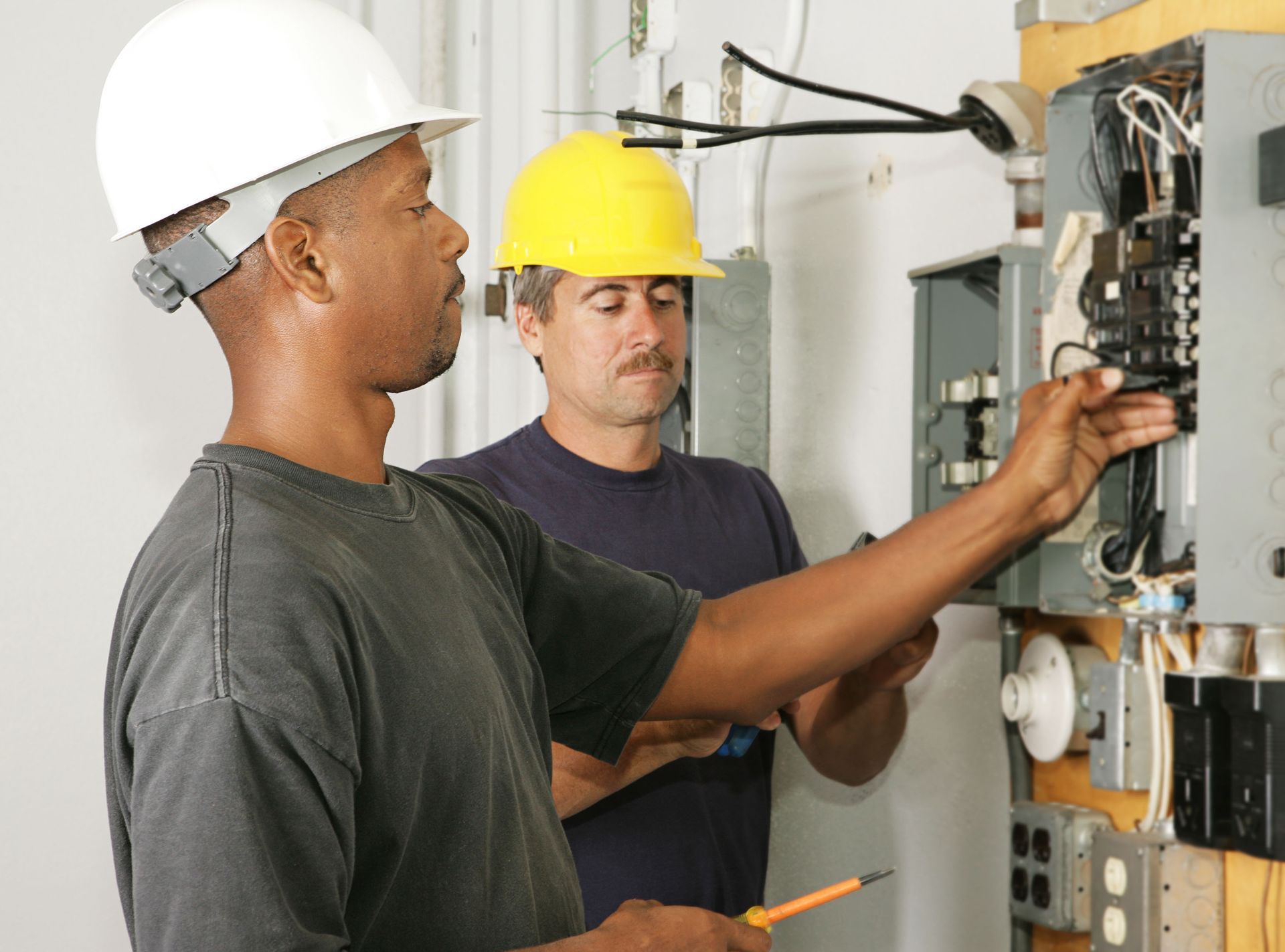
Electrical panels serve as the central hub of any building's power distribution. Over time, the energy demands of modern office equipment, machinery, and HVAC systems can easily exceed the capacity of an older panel. Indicators that a system is under stress include frequent circuit breaker trips, unusual buzzing sounds, and inadequate power flow to essential devices. Outdated panels represent a major vulnerability, often resulting in systemic failures or electrical fires if left unaddressed. Consulting with commercial electricians provides property owners with a comprehensive assessment of their system's current capacity and overall safety.
According to Coherent Market Insights, commercial electricians account for nearly three fifths of the global electrician market as of 2026. This dominant market presence highlights the widespread, global push toward upgrading commercial infrastructures to support rapid technological advancements. When commercial electricians replace an archaic panel with a modern unit, they instantly increase the property's power capacity. This allows businesses to operate heavy-duty appliances and sophisticated digital systems without the risk of overloading. Modern panels also feature advanced circuit breakers that offer superior, rapid protection against electrical faults, greatly minimizing property risks.
Energy conservation is another substantial benefit provided by a panel upgrade. Older systems frequently waste power through inefficient circuits, which drives up monthly utility expenses. Modernized electrical panels are optimized for stable power distribution, reducing unnecessary consumption and lowering operational costs. Furthermore, properties featuring updated electrical systems experience a noticeable boost in market value. Prospective tenants and buyers prioritize safety and energy efficiency, making a modern electrical infrastructure a strong selling point. Ensuring compliance with current building codes also shields owners from potential legal issues and insurance complications.
Enhancements for Rewiring and Circuits
Many historical and aging buildings rely on degraded wiring systems that present severe performance bottlenecks. For instance, the presence of old aluminum wiring is a known hazard due to its tendency to oxidize and overheat at termination points. Additionally, the protective insulation around old wires naturally deteriorates over decades, exposing live conductors and creating short-circuit risks. Because these old systems were designed long before the digital age, they lack the resilience needed for modern operational demands. Comprehensive rewiring replaces these hazardous components with durable materials, establishing a stable foundation for all contemporary technology.
During a full structural overhaul, commercial electricians establish copper wiring as the primary standard due to its excellent electrical conductivity and resilience. Unlike aluminum, copper remains highly stable under temperature fluctuations, preventing loose connections and reducing fire hazards. The installation of Ground Fault Circuit Interrupters and Arc Fault Circuit Interrupters further enhances building safety. These specialized devices instantly cut power when they detect dangerous ground faults or arc sparks, protecting occupants from shocks and structural fires. Implementing these safety devices brings aging properties into strict compliance with modern national electrical safety codes.
To prevent business interruptions during a major rewiring project, commercial electricians utilize specialized, non-intrusive wire-pulling techniques and phased installation schedules. This careful planning ensures that essential building operations remain active while specific zones undergo updates. Upgrading the circuits also involves creating dedicated lines for high-load machinery, which prevents power imbalances across the system. Properly balanced circuits maximize energy efficiency by delivering precise power amounts where needed. This meticulous optimization eliminates power surges, protects delicate electronics, and lowers the property's total energy footprint.
Modernization of the Lighting System
Transitioning to LED lighting is one of the fastest and most impactful updates recommended for older commercial facilities. Traditional incandescent and fluorescent bulbs waste tremendous amounts of energy as heat, whereas LEDs convert electricity directly into light with minimal waste. This transition immediately slashes utility costs and reduces the property's overall carbon footprint. Because LEDs generate very little ambient heat, they also reduce the cooling load on the building's HVAC system. This dual-layered energy reduction results in substantial monthly operational savings for property managers.
The exceptional lifespan of LED fixtures significantly drives down long-term facility maintenance costs. Traditional bulbs require frequent replacements, which strains maintenance schedules and disrupts daily business activities. LEDs last for tens of thousands of hours, ensuring consistent, high-quality illumination with minimal intervention. This long-term reliability makes them an excellent choice for large commercial spaces, warehouses, and high-ceiling offices. Additionally, LEDs are available in a broad range of color temperatures, allowing businesses to customize their interior lighting to improve employee productivity and visual comfort.
Integrating smart lighting controls represents the next step in modernizing an older building's efficiency. Smart systems utilize motion sensors, automated dimming, and programmable schedules to ensure lights operate only when spaces are occupied. Facility managers can monitor these automated systems remotely, gaining valuable data insights into real-time energy usage patterns. This data-driven approach allows for ongoing adjustments to further optimize power consumption. By incorporating intelligent controls, property owners future-proof their lighting systems, blending historical architecture with cutting-edge energy management technology.
Integration of Surge Protection Systems
Older commercial buildings are highly susceptible to external and internal power surges, which can instantly devastate modern digital infrastructures. External surges often stem from lightning strikes or utility grid failures, while internal surges occur when heavy machinery cycles on and off. Traditional electrical systems lack the built-in defenses required to intercept these sudden spikes in voltage. Without adequate protection, expensive computers, servers, and automated systems face severe damage or total destruction. Implementing comprehensive surge protection is essential for safeguarding a business's valuable technological investments.
To mitigate these risks, commercial electricians install commercial-grade Type 1 and Type 2 surge protective devices directly at the main electrical panels. These heavy-duty devices act as an electrical shield, instantly redirecting excess voltage harmlessly into the ground before it can enter the building's circuits. This centralized protection is complemented by point-of-use surge suppressors installed at critical workstations and server rooms. This multi-layered defense strategy guarantees that sensitive digital assets remain safe from both large external events and minor, repetitive internal voltage fluctuations.
The economic benefits of installing robust surge protection systems extend far beyond simply preventing equipment damage. By stabilizing the voltage flowing through the building's circuits, these devices prevent minor electrical stress from prematurely wearing out appliances and lighting fixtures. This protection extends the operational lifespan of all connected electronics, maximizing the return on a business's technology investments. Furthermore, preventing sudden equipment failures eliminates unexpected operational downtime, ensuring that business activities proceed smoothly without costly interruptions or sudden data loss.
Modernizing the electrical infrastructure of an older building is an essential step in ensuring safety, regulatory compliance, and operational efficiency. Upgrading obsolete panels, replacing degraded wiring, installing advanced safety interrupters, and adopting LED technology transforms an aging property into a highly efficient, resilient asset. These comprehensive upgrades shield businesses from electrical hazards, drastically reduce utility expenses, and elevate overall property values. Partnering with commercial electricians allows property owners to execute these complex updates seamlessly, preserving historical architecture while integrating modern power capabilities. For reliable, high-quality electrical upgrades tailored to your unique commercial needs, reach out to the professional team at Cyr Electric Inc today.


Share On: